Why warehouse pest control matters in Hamilton
For warehouse operations in Hamilton, ON, pest issues are more than a nuisance. A single rodent infestation can harm inventory, pollute surfaces, and create delays that ripple through receiving, storage, and shipping. In a city with a strong warehousing and manufacturing base, especially around the Red Hill, the Linc, Burlington Street, and Stoney Creek industrial areas, a pest problem can quickly become an operational problem.
Good pest control Hamilton programs defend both the building and the goods inside it. That matters for food safety, but it also matters for packaging integrity, employee safety, and regulatory compliance. Warehouses often have multiple entry points, frequent traffic, and changing stock levels, which make pest prevention a continuous responsibility rather than a one-time fix.
Hamilton’s damp seasons and winter cold also heighten the pressure on indoor facilities. As temperatures shift, pests move toward heat, shelter, and food sources. That means warehouse managers need a proactive strategy that addresses warehouse pest control from the ground up, including inspection schedule planning, building maintenance, and housekeeping routines.
Frequent pests present in Hamilton warehouses
The most frequent warehouse invaders in Hamilton include mice, roof rats, roaches, and stored product pests. Each one behaves differently, but all can lead to serious risks in a commercial facility if they are not handled early.
Mice control is especially important in narrow gaps and around stored materials. Mice can squeeze through tiny building gaps, nest in quiet corners, and contaminate packaging. Rat control becomes a bigger concern in larger buildings, near waste areas, along exterior walls, and around loading areas where food scraps or shelter are available.
Cockroach control is vital in warm mechanical rooms, break areas, and places where moisture and food residue collect. Cockroaches multiply rapidly in hidden harborage areas and often remain out of sight until the infestation has already grown.
Ant management may seem less urgent, but ant trails can indicate access routes into the facility and can be associated with moisture or spilled product. Meanwhile, stored product pests can infest dry goods, packaging, grains, and other commodities, creating expensive loss and inventory protection issues.
Birds can also become a problem in dock or roofline areas, https://cambridge-onn2gjk055.fotosdefrases.com/affordable-pest-control-in-hamilton-on making bird control part of a comprehensive warehouse program. Droppings, nesting, and access to rafters can interfere with operations and sanitation standards.
Signs of pest activity in industrial storage spaces
Prompt detection depends on detecting the most common pest indicators. In warehouses, those signs are often noticeable before the pest itself is spotted. One of the clearest clues is excrement, which may appear along walls, behind pallets, inside cupboards, near bins, or around receiving areas.
Chewed packaging is another red flag. Rodents may chew through cardboard, shrink wrap, and paper bags to get to food or make nesting material. This can hinder stock protection and require product disposal if contamination is suspected.
Tracks in dust, grease marks along wall edges, or footpaths through stored material can show where pests are moving. These signs are especially important in large industrial spaces where foot traffic and machinery noise can hide subtle activity.

Signs of nesting such as shredded paper, insulation, fabric, or pallet debris often point to hidden activity behind shelving, inside mechanical enclosures, or near stacked inventory. When these signs appear, it usually means a problem has been active long enough to require a careful risk assessment and immediate response.
What draws pests to warehouses in Hamilton
Various conditions make warehouses inviting to pests. Moisture is a major driver, especially in parts of Hamilton that experience damp weather, condensation, or seasonal flooding concerns near lower-lying industrial areas. Leaks, standing water, and poor ventilation can all fuel activity.
Loading docks are among the most common pest entry zones. These busy access points open and close throughout the day, creating opportunities for rodents and insects to enter with pallets, cartons, or shipments. Gaps around dock doors and damaged seals make the problem worse, especially when traffic is heavy in logistics corridors near the Red Hill, the Linc, Burlington Street, and Stoney Creek.
Food waste is another attractant. Even non-food warehouses can develop pest issues if workers leave spills, discarded lunches, or contaminated bins in break rooms and receiving areas. A strong waste management routine reduces the chance that pests will settle in.
Clutter creates hidden shelter and slows inspections. Stacked pallets, disused equipment, and unused packaging provide excellent cover for rodents and insects. Clutter also makes it harder to spot pest activity early, which can increase the chance of a full warehouse infestation.
Warehouse pest control methods that are effective
The best warehouse pest control plans use integrated pest management, not just one-off treatments. IPM integrates inspection, prevention, monitoring, and targeted intervention to minimize long-term risk. For Hamilton facilities, this approach is highly effective because it adapts to building layout, stock turnover, and seasonal pest pressure.
Exclusion is the main line of defense. That means sealing cracks, repairing doors, closing structural gaps, and protecting loading dock entry points. If pests cannot enter easily, the risk of recurring problems falls sharply.
Sanitation is just as important. Clean floors, organized storage, sealed waste containers, and routine spill cleanup cut down on food and water sources. Strong sanitation protocols also make it easier to detect early signs of infestation.
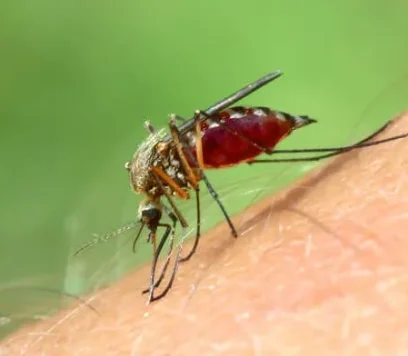
Monitoring helps identify problems before they spread. Modern programs often use monitoring devices, pheromone traps, and strategically placed bait stations to track pest movement. Trap monitoring should be part of a documented inspection schedule, so changes in activity are noticed early.
Using sealed containers for food ingredients, dry goods, and sensitive inventory is another effective step. This limits contact with pests and helps preserve product quality. A strong program also includes consistent moisture control, since water is one of the main drivers of pest pressure in industrial environments.
How an expert pest control Hamilton service assists
A skilled commercial pest management team adds structure to stopping pests and reaction. For Hamilton warehouses, that often starts with detailed facility inspections. These inspections look at the building envelope, dock areas, storage zones, waste handling, employee areas, and exterior conditions that may support pest entry.
From there, the provider develops a bespoke treatment plan based on the type of pest, the level of activity, and the warehouse’s operating schedule. This is important because each business facility has different vulnerabilities. A refrigerated distribution site has different needs than a parts warehouse or a dry goods storage building.
Reliable service also supports compliance. Hamilton businesses may need pest control programs aligned with Ontario commercial health and safety expectations, especially where food handling, packaging, or regulated goods are involved. Documentation from inspections, monitoring, and corrective actions can help during a regulatory inspection and support internal audits.
In practice, a dependable pest control Hamilton partner helps reduce disruption, maintain product quality, and keep the building ready for routine operations. That can mean fewer emergency calls, lower risk of contamination, and better protection against business interruptions.
Sector-specific pest risks for Hamilton facilities
Each warehouse types face different threats. Logistics warehouses see regular movement of goods, pallets, trailers, and staff, which increases the chance of pests hitching a ride on shipments or finding access through dock doors. In these spaces, quick inspection and tight monitoring are critical.
Food distribution facilities deal with the highest need for food safety compliance. Just a minor infestation can lead to product holds, customer complaints, or rejected shipments. These sites need strict sanitation, reliable rodent control, and routine review of storage, receiving, and waste areas.
Manufacturing facilities often deal with mixed-use spaces, where raw materials, finished products, machinery, and maintenance areas all form different harborage areas. Dust, vibration, and stored materials can make hidden pest activity harder to detect.
Cold storage sites bring unique challenges too. While lower temperatures can diminish some activity, pests still enter through door openings, shipping lanes, and structural weaknesses. Condensation and moisture around cooler areas can lure insects and support hidden nesting.
Across all these sectors, Hamilton’s industrial and logistics activity means pest risk is not limited to one corridor or one building type. Consistent commercial pest management is part of protecting service reliability and preserving brand reputation.
Preventive maintenance checklist for Hamilton warehouses
Thorough preventative maintenance is one of the most cost-effective ways to minimize pest problems. A useful warehouse checklist should emphasize the building envelope, storage practices, and exterior conditions.
- Examine and repair door seals routinely to block rodent and insect entry. Check dock levellers, thresholds, and dock doors for openings, wear, or damage. Follow garbage management routines tight, with covered bins and frequent removal. Keep a documented maintenance schedule so issues are addressed before they become access points. Inspect pallets, shelving, and storage layout to reduce clutter and hidden nesting areas. Confirm that sealed containers are used wherever possible for sensitive goods. Address moisture problems, leaks, and condensation to improve moisture control. Sustain ongoing monitoring devices and update trap locations as operations change.
This approach support better pest prevention and help warehouse teams stay ahead of seasonal risks. In Hamilton, where winter cold can drive pests indoors and damp conditions can intensify pressure during wetter periods, maintenance is not optional. It is part of keeping the facility secure and operational.
When you should call for emergency pest control
Some situations require immediate help. If you notice an active infestation, such as repeated sightings of rodents, fresh droppings, or ongoing insect activity, the problem may already be spreading through the facility. Waiting can increase the size of the issue and the cost of correction.
Emergency response is especially important if the infestation presents a health hazard. That can include contamination concerns in food-handling areas, droppings near packaging, bird activity above product zones, or signs that pests have reached a sensitive storage or production area.
A significant concern can also lead to service disruption. If product has to be held, equipment has to be shut down, or shipping lanes need to be cleaned and rechecked, the impact can affect customers and schedules. In these cases, same-day service may be the fastest way to limit further loss.
For Hamilton warehouses, an urgent response should include immediate inspection, containment, targeted treatment, and follow-up monitoring. The goal is not just to remove the immediate threat, but to restore the site to a safe condition and reduce the chance of recurrence.
FAQ about warehouse pest control in Hamilton
How often should a Hamilton warehouse be inspected for pests?
The proper inspection frequency depends on the type of goods stored, the size of the facility, and the level of pest pressure in the area. Many Hamilton warehouses benefit from routine commercial inspections on a regular schedule, with more frequent checks in high-risk zones like docks, waste areas, and food storage sections. Facilities with recurring issues may need tighter inspection schedule controls and more frequent trap monitoring.
What are the most common pests in Hamilton industrial warehouses?
The most common threats are mice, rats, cockroaches, and stored product pests. Depending on the site, ant control and bird control may also be necessary. The mix often depends on building age, sanitation conditions, nearby freight activity, and the nature of the inventory.
How can loading docks be protected from rodents and insects?
Focus on loading dock entry points first. Keep dock doors in good repair, maintain door seals, inspect dock levellers, and reduce gaps around thresholds. Good lighting, clean floors, strong waste management, and regular monitoring devices also help. Docks should be checked often because they are one of the most common access areas for pests in busy warehouse operations.
Are integrated pest management preferable than a reactive approach for warehouse spaces?
Absolutely. IPM is usually more effective than a reactive approach because it brings together prevention measures, inspection, hygiene, exclusion, and targeted control. A reactive approach may remove the immediate pest, but it does not solve the cause. For a warehouse, that means the same problem can return. IPM supports better rodent control, reduced disruptions, and stronger long-term infestation prevention.
Mosquito Man Hamilton62 First Rd W, Hamilton, ON L8J 3R2, Canada
+1 289-408-9573
https://maps.app.goo.gl/47W3PJ15EnQopiUf6
https://sites.google.com/view/pest-control-hamilton-ontario/
43.1795221, -79.7846013

When is it time for a warehouse seek emergency pest control in Hamilton?
Reach out at once when you see an active infestation, signs of contamination, or any issue that could become a health hazard. Emergency help is also needed if the problem is causing service disruption or if a health inspection is approaching and the warehouse needs immediate correction. In those cases, same-day service can help limit downtime and support compliance.